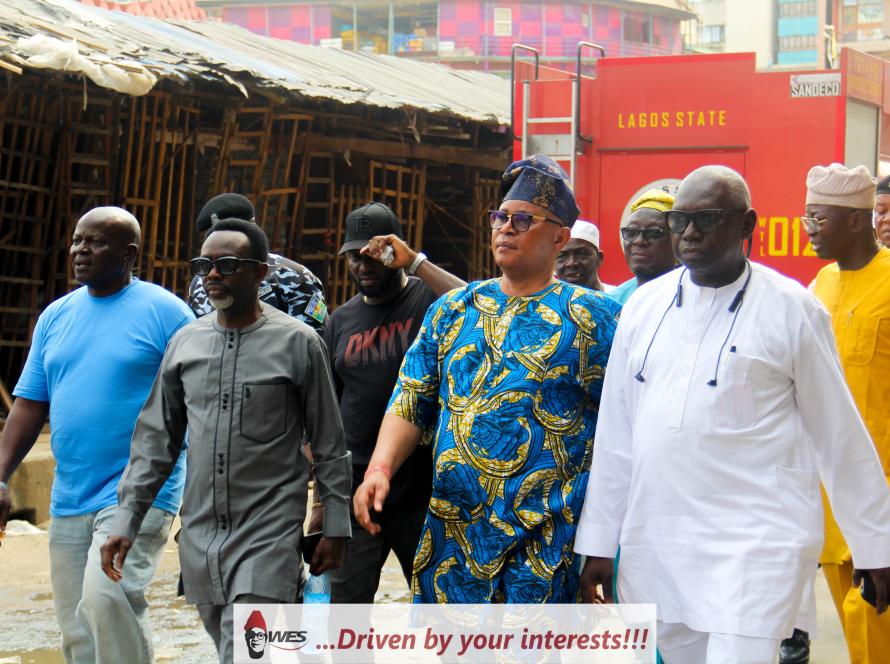
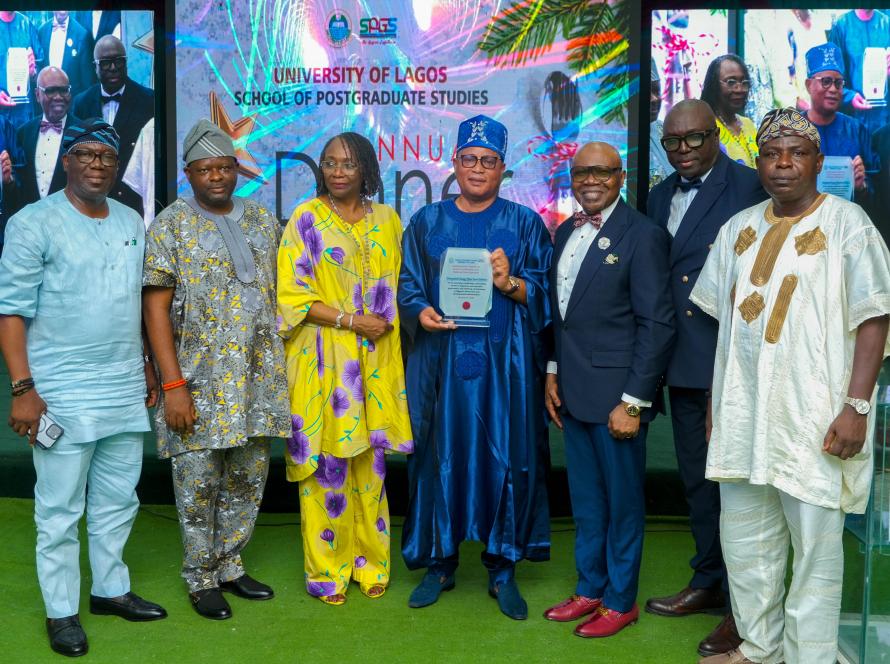
Senator Wasiu Eshilokun-Sanni (Lagos Central District) spoke on his legislative activities and his advocacy for a special status for Lagos State. I have justified the trust placed in me through active representation—confirming ministers from Lagos, initiating bills, moving motions, and launching community-support programmes.
I’ve distributed palliatives like rice multiple times, organized computer literacy training that empowered about 2,000 youths across several local governments, and provided JAMB and GCE form support to students across educational districts. I also awarded scholarships to approximately 150 tertiary-level students.
We launched a ₦750 million empowerment programme in Lagos Central—distributing items such as buses, tricycles, freezers, sewing machines, and school bags—and supported constituents during the Ileya festival, including distributing rams.
Regarding infrastructure, Lagos Central benefits from proximity to federal power—upgraded bridges like the Third Mainland Bridge and improvements in Ikoyi. Yet, infrastructure gaps remain. We installed around 400 streetlights and are working on roads across Eti-Osa, Surulere, Lagos Island, Lagos Mainland, and Apapa.
On the special status for Lagos: the issue is far from settled. Lagos has been under-compensated despite generating massive revenue—from customs, ports, aviation, and headquarters of major banks like Keystone, UBA, and Access Bank. While the Niger Delta benefits from 13% derivation due to oil production, Lagos receives none, despite contributing significantly. Historical injustices include unequal allocation of local governments despite Lagos’s population size and economic weight. Furthermore, Lagos’s peaceful nature is taken for granted.
Rather than advocating only for Lagos, I believe all states that contribute significantly—whether through natural or economic resources—should benefit from equitable derivation. Historical models allowed regions to collect revenue and decide on federal contributions; today, although the federal government collects revenues, states should still benefit from their contributions. Non-oil revenue has grown, and those contributing should be rewarded. The special-status conversation should shift to a broader, derivation-based model of justice for all states.